
Passkeys and passwords both let you sign in, but they work differently. A password is a secret you type or save; a passkey is a cryptographic credential you use from a device or security key. Where a service supports passkeys, they are a strong choice because they resist phishing at sign-in. Before switching, check where your passkey will be saved and how you will recover access if you lose a device.
Passkeys vs passwords at a glance
How the two sign-in methods compare QuestionPasskeyPassword How you sign inUse a saved credential, often with a device unlockEnter or autofill a secret PhishingDesigned to resist fake sign-in sitesCan be entered into a fake site Access on another deviceDepends on storage and service; syncing or a nearby device may helpType it or use your password manager If access is lostUse an available backup or recovery methodUse the service’s recovery methodWhat happens when you use a passkey?
A passkey uses a pair of cryptographic keys. The service has a public key; the private key is kept by your device, passkey provider or security key. When you sign in, the service can verify a response generated using the private key without receiving a password. You usually approve the request with your device PIN, fingerprint or face unlock. The biometric check happens on your device rather than sending your fingerprint or face scan to the service.
Each passkey is tied to the service’s domain. A fake site using a different domain cannot simply collect your passkey as it could collect a password you type. The FIDO Alliance explains how this binding supports phishing-resistant authentication. That does not make an account immune to every attack: a criminal may still target its recovery process, a compromised device or other sign-in methods. Treat unexpected approval requests with suspicion.
When a password is still useful
Not every site or app offers passkeys. Even when one does, adding a passkey may leave a password and recovery options active; Google says this is the case for Google Accounts. Check the options for each service before deleting or changing anything.
For accounts that use passwords, choose a strong, unique password for each one and enable two-step verification where available. A password manager can generate and store unique passwords; protect the manager itself with a strong, unique primary password and its available extra verification. Reusing a password makes a breach at one service more dangerous for other accounts.

Where is your passkey stored?
A synced passkey can become available on other devices through the passkey provider you use. For example, Apple explains how iCloud Keychain sync and recovery work. Losing one phone need not mean losing the passkey if you can use another trusted device or meet the provider’s recovery requirements. Check those requirements before you need them.
A device-bound passkey stays on a particular device or hardware security key rather than syncing. That can be useful if you prefer not to sync it, but a lost or reset device may take that credential with it. Google’s Chrome guidance, for example, warns that passkeys saved to Windows Hello cannot be recovered if the computer is lost or Windows is reinstalled, and that passkeys on a security key cannot be recovered if the key is lost or reset. You may still recover the account through a separate method if the service offers one.
Set up a passkey without locking yourself out
- Sign in through the service’s official app or website and look for a passkey option in its account or security settings. Google’s general guide notes that not all sites and apps support passkeys.
- Follow the prompts on a device you control. Check which passkey provider or device will store the credential and secure its screen lock.
- Review the service’s backup and recovery choices while you can still sign in. If supported, set up a separate passkey on another trusted device or security key, or keep recovery codes in a safe place. Also check how to recover the account that stores synced passkeys.
- Test your new sign-in and your available backup method before relying on them. The exact options depend on the service and provider.
Do not create a passkey on a shared or public computer. Google warns that someone who can unlock a device with a Google Account passkey may be able to use it. Some services let you use a passkey on your own phone to sign in on another computer; check the service’s instructions and sign out when finished.
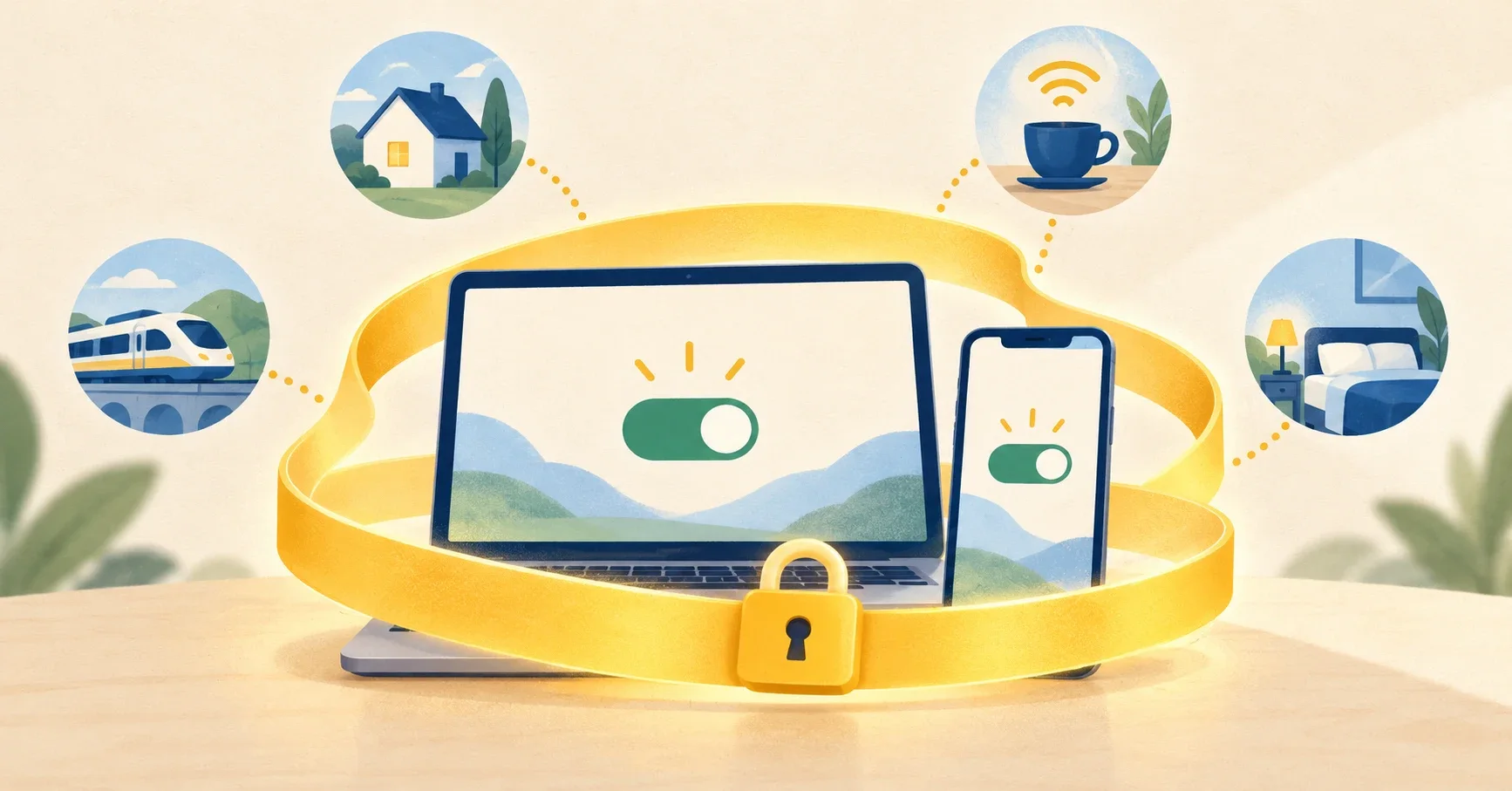
A passkey protects the sign-in process; a VPN addresses a different part of the connection. The FuzeVPN apps for Windows and Android encrypt data between your device and the VPN server. They do not repair a compromised device or undo a disclosed password, as the security page explains. Keep your device and account recovery options secure whether or not you use a VPN.
If your phone or security key is lost
Use another trusted device or the account’s recovery method to sign in. Then review the service’s security settings and remove the lost credential or device where supported. For a Google Account, Google provides instructions for removing a lost device’s passkey. If a passkey was synced, also follow your provider’s instructions for securing the lost device and your passkey account. Do not assume that deleting a credential on one device automatically revokes every copy or every session.